
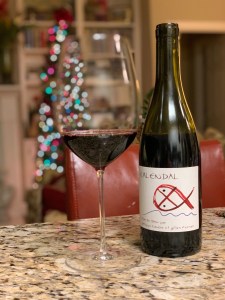
Calendau is the Provençal equivalent of the French name, Noël, which used to be given to each child born on Christmas. Calendau is also a name from an 1867 Provençal poem about a fisherman that falls deeply in love. The love described in this poem is what inspired two friends, Philippe Cambie and Gilles Ferran, to become vineyard owners. Their vineyards are located in Plan de Dieu which is between Chateauneuf and Rasteau in the region of Southern Rhône, France and are composed of 50% old Mourvèdre and 50% very old Grenache. The area is rooted in history. Nearby is the historic walled city of Avignon, the papal seat in the 14th century, as well as the historic city of Orange, home to an ancient Roman theater where opera is still performed today. In fact, many of the old cellars here are on sites built by the Romans. The climate is Mediterranean – hot days, lots of sunshine, and cooled by a wind from the Alps called Le Mistral.
This wine from Domaine Calendau is juicy and spicy, made of a blend of Mourvèdre and Grenache. The wine critic Robert Parker notes “black raspberry, blackberry, caramelized cherries, spice and crushed violets.” 2013 Calendal Côtes du Rhône Villages Plan de Dieu produced and bottled by Domaine Calendal. Aged 12 to 14 months in one year barrels. 15% ABV. Find yours for $18.99 at Pine Brook Bottle Shop.
This holiday season, MaconWine.com will feature wines you can find in the local area that pair well with celebrations, food, and family.
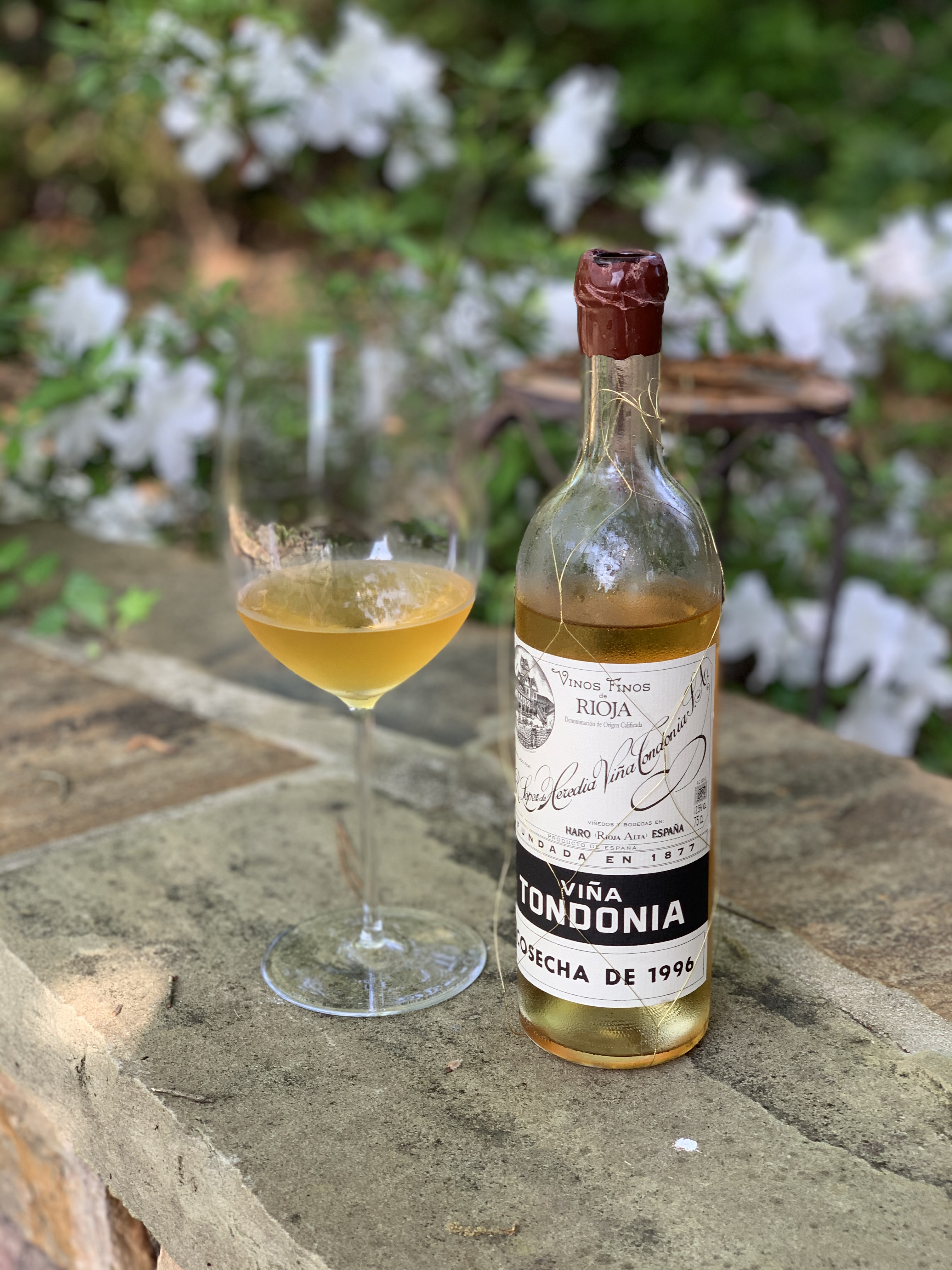 The Spanish wine region Rioja is known for red wine (around 90% if wine produced is red ), but a fascinating wine on the rise is old-style white Rioja. The grape varietal used is viura (also known as macabeo), and the tradition is to make the wine and age the wine in oak for years. The region of Rioja is located in the remote interior of northern Spain. The area is shielded by mountain ridges from the influences of the Atlantic ocean, and rests on a large plateau at an elevation of more than 1,500 feet. White Rioja is a dry wine with a honey gold color, good acidity, and is full-bodied. The wine tastes of roasted hazelnuts, chamomile, tangy citrus, butter, and salt. In addition, this white wine can age in bottle for well over a decade when under cellar conditions. In fact, the wine in this picture is from the 1996 vintage (tasted March 2020).
 This wine has some roots in Macon. Derek Trucks, guitarist for The Allman Brothers Band (his uncle, Butch Trucks, was a founding member of the band) from 1999 until the band’s official retirement in 2014, and his wife, Susan Tedeschi, are part of the inspiration (and original investors) for the team behind The Withers. The founders, Andrew and Kathleen Tow, are equestrians and the name “The Withers” derives from measuring the height of a horse – the withers being the highest point. This represents the team’s drive to produce elegant, nuanced, balanced wines from cool climates in California. Specifically, the Sonoma Coast, Mendocino, and Sierra Foothills. Also, the grey horse on the label is Mr. Burgess – a horse and member of the Tow family. According to the Tows, Mr. Burgess is “sensitive and beautiful” and an inspiration for winemaking. The winemaker is David Low, and the winery focuses on Pinot Noir and Rhône varietals (Grenache, Syrah, and Mourvèdre).
 A unique producer in Oregon’s Chehalem Mountains AVA, Andrew Dow Beckham and Annedria, his spouse, focus on Pinot Noir and are especially known for the use of clay amphoras as aging vessels. I first read about the Beckhams in Kevin Begos’s
  This Zinfandel blend is the first such release from Orin Swift Cellars since 2008. The original blend, named The Prisoner, was well acclaimed and became a knockout brand over the years, but rights to the brand were sold in 2008 (for $285 million) as well as an agreement by
 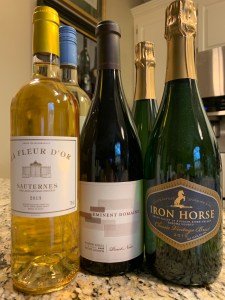 Happy Thanksgiving! A wonderful time with family, friends, and traditions is in order – what a year! I look forward to this day every year, and the time that follows. This year, we are traveling out of town, but bringing homemade buttermilk biscuits and an assortment of wines for all to enjoy. For those looking for recommendations to pair with the Thanksgiving spread, I recommend sparkling wine/Champagne, Sauternes, and Pinor Noir/Burgundy. Go ahead, have three glasses and enjoy each one throughout the meal.
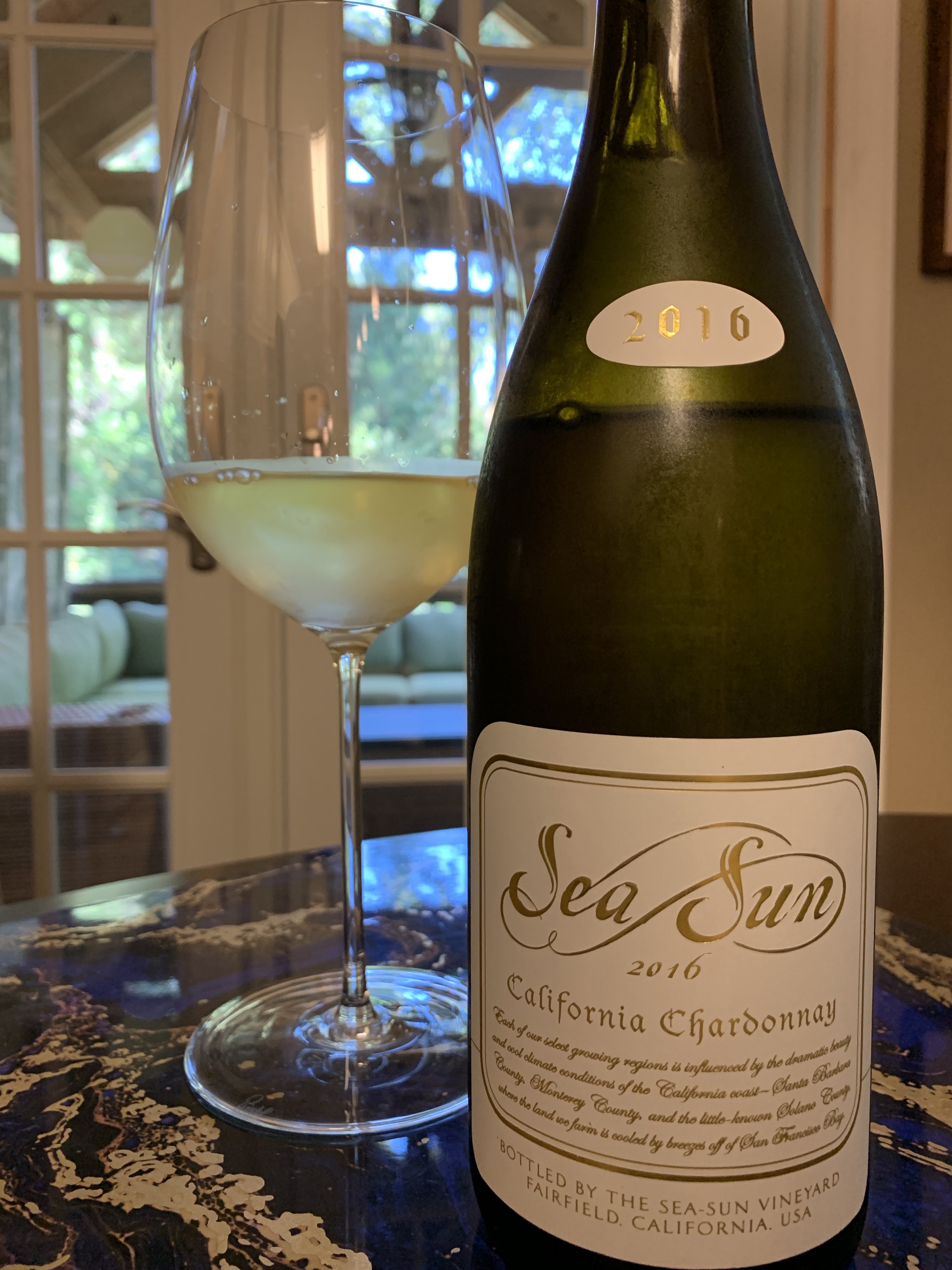 I first visited the Suisun Valley in Solano County, California this past February, enjoying a wonderful meal at Mankas Steakhouse on a small, unassuming corner. The people are wonderful, and so are the wines. This wine, Sea Sun Chardonnay, is a new offering from Wagner – the owners of the famed Caymus Cabernet Sauvignon. Sea Sun was spotted at Fresh Market for $24.99. The wine comes from multiple places around California, to include Santa Barbara, Monterey, and Solano Counties.
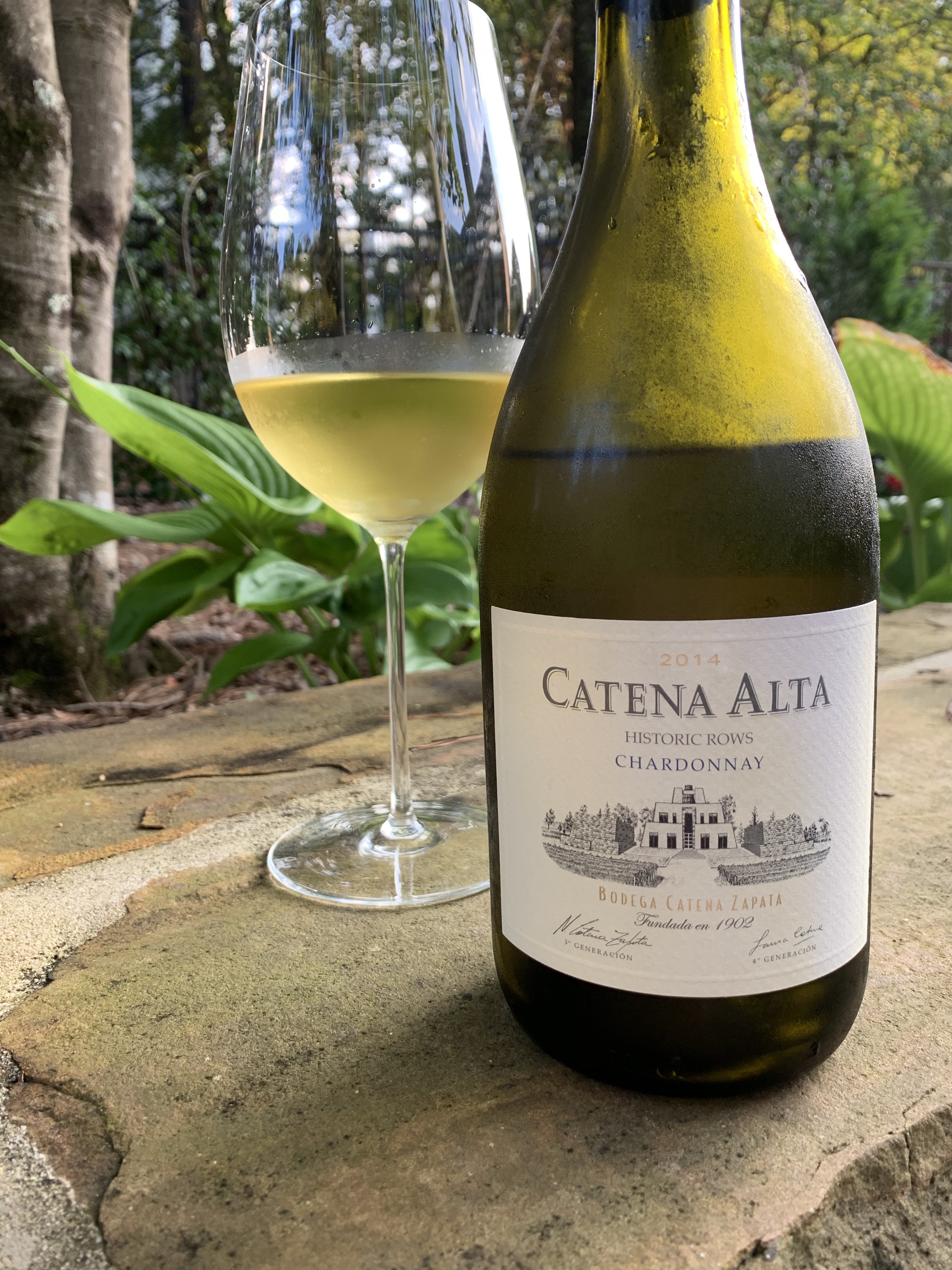 This pleasing wine for a hot mid-Georgia summer day was spotted at
 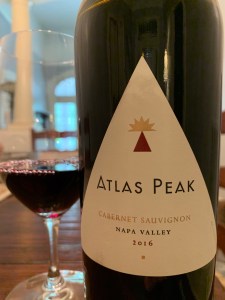 I first learned of this wine in an article by Karen MacNeil (author of
  MaconWine.Com